
Sino-Telecom FNMS (Fiber Network Monitor System) can use rack OTDR (Optical Time Domain Reflectometer) devices, focus on automatic analysis of fiber performance by periodical measurement, and quickly respond while fiber broke or fault happens, significantly reducing the repair time and improving fiber network maintenance efficiency and QoS.
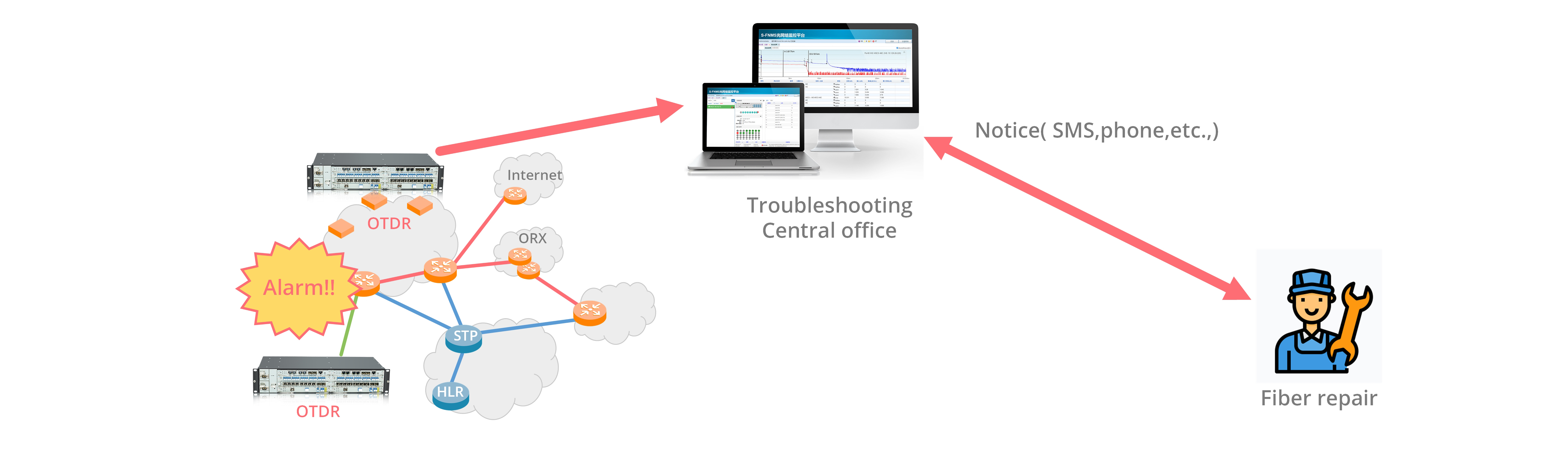
Our FNMS is applicable for all types of fiber optic networks

• Address all types of optical networks.
• Report all types of fiber modifications in a network: breaks, attenuation, extension, reflectance.
• Provide web-based software that is easy to install, use, and maintain.
• Offer open interfaces for easier integration with existing systems.
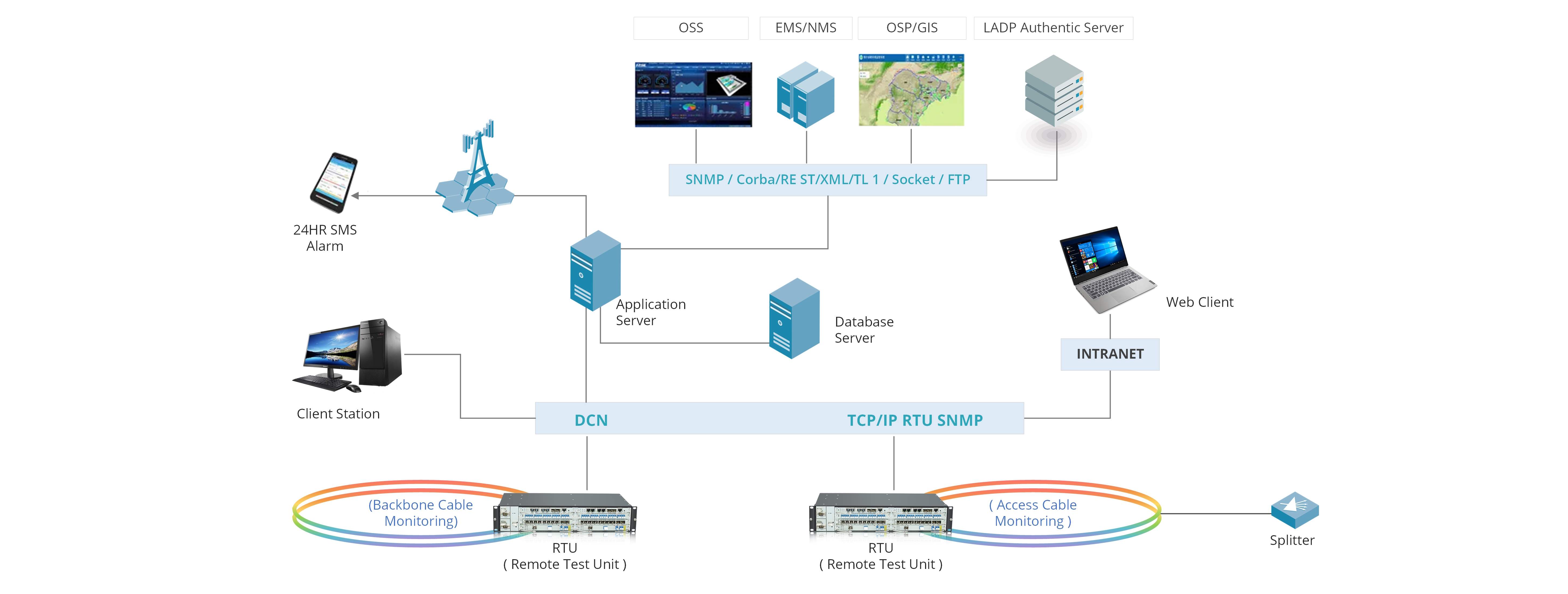
• Delays in accessing information.
• Unavailability of crucial information.
• Low-quality documentation.
• Involvement of numerous personnel.
• Limited control over maintenance processes.
• After using FNMS system
• Obtain information swiftly and direct it to the appropriate personnel.
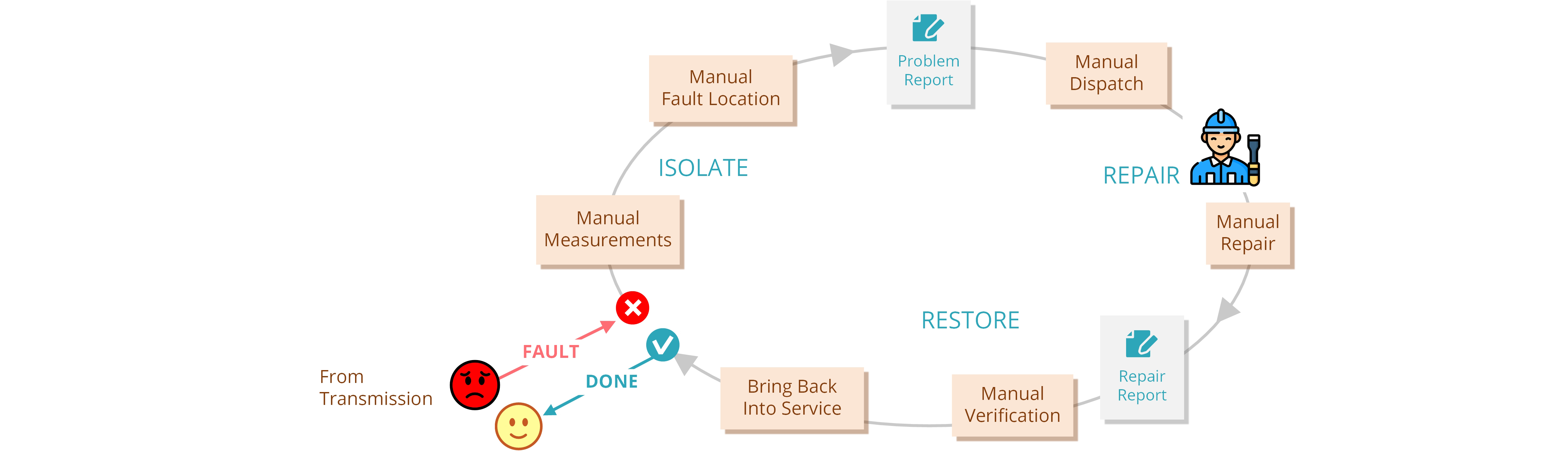
Obtain information swiftly and direct it to the appropriate personnel.
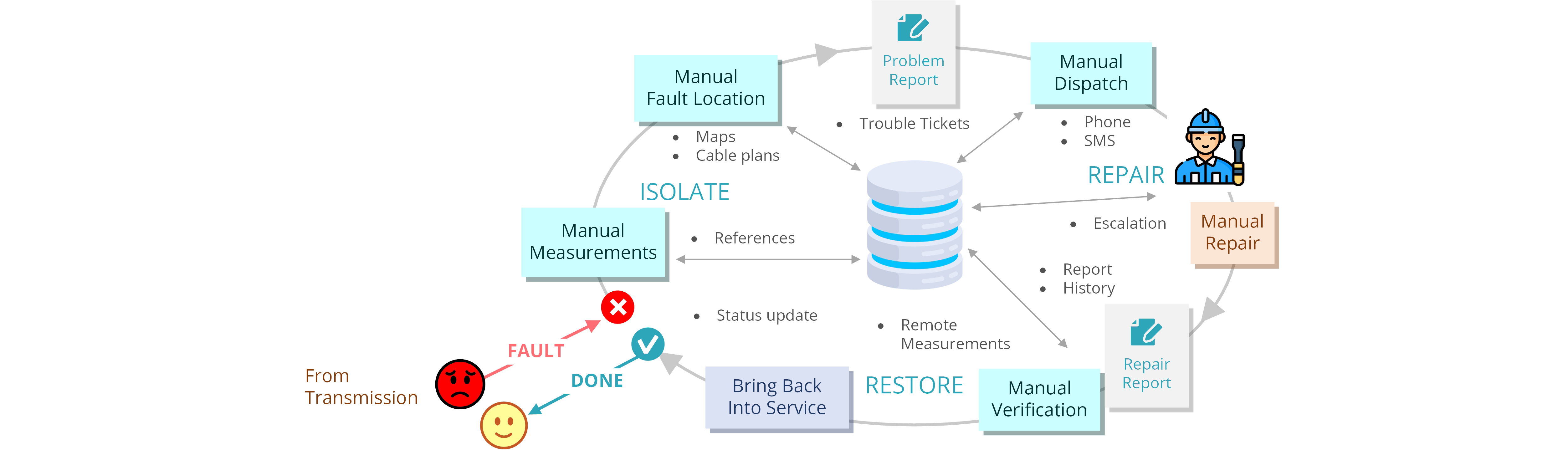
Different stakeholders require specific fiber and cable data.
Streamlined measurement processes with precise and clear alarms.
• Reference measurements including attenuation and values of splices, connectors, ends, and optical length.
• Periodic recording of connector and fiber performance data.
• Report generation and chart visualization displaying performance trends in loss and attenuation.
• Establishment of link alarm thresholds and distribution to users.
• Detection and notification of cable breaks or abnormal fiber attenuation positions.
• Fault processing workflow with audible and visual alarm triggers.
• OTDR data analysis, cascade Optical Switch (OSW) channel access, and fiber route mapping.
• Visualization of route topology detailing cables, sites, lengths, and faults.
• OTDR analysis combined with cascade OSW channel identification.
• Optical routing access mapping OSW channels, cable connections, and fiber indices.
• Details such as number of fibers, manufacturer, cable type, spare cables, fiber utilization, and physical lengths
• Incorporation of conduit data, landmarks, distances, and locations.
• Layout mapping including manholes, poles, and markers with geographical length calculations.
• Localization of fiber fault locations.
• Establishment of area limits and fiber/cable allocations per area.
• Assignment of responsible maintenance personnel.
• Management of route modifications and length changes.

 EN
EN