
 EN
EN
Telecommunication networks are highly vulnerable to attacks from malicious users. As telecom networks offer an ever-wider range of services, their attack surface is constantly expanding. Conventional solutions, such as firewalls, IDS, and antivirus gateways, employ signatures of known attacks to distinguish the "bad" from the "good". Such signature-based solutions are not very effective at detecting sophisticated attacks that "hide" inside "normal" traffic. Deep packet inspection (DPI) helps to close this security gap by analyzing the content, context, and behavior of packets as they traverse the network.
The Growing Need for Telecom Network Security
There are many challenges facing the security operations team in a telecom network. The subscriber traffic volume of millions of simultaneous sessions makes it difficult to maintain consistent security for such an enormous attack surface. In addition to a growing number of users, there are billions of diverse devices, from smartphones to the Internet of Things (IoT) devices—must also be monitored. With the increasing use of encryption, identifying threats within subscriber traffic is becoming more difficult. Security has become an increasing priority for telecom operators, who face significant legal and financial consequences if they fail to identify and respond to fraud, phishing, and illegal content. Brand reputation is also of great importance, given that the operator's image is associated with each individual subscriber. These threats are evidence that there should be better security visibility over the telecom network than is available through flow data.
Core Functions of Deep Packet Inspection
There are several key functions of DPI that benefit security operations: protocol decoding, pattern matching, behavioral analysis, flow reassembly, and metadata extraction. DPI supports the inspection of thousands of different network protocols, regardless of their assigned ports, from simple HTTP and DNS transactions to sophisticated peer-to-peer protocols. It identifies signatures known to be associated with malware, command-and-control servers, and phishing scams. It also identifies unknown threats through deviations from normal behavior. DPI reconstructs entire sessions, allowing for the inspection of web pages and file transfers in their entirety. Finally, it generates searchable logs of communications between subscribers, including protocols and types of data transferred.
How DPI Improves Traffic Visibility
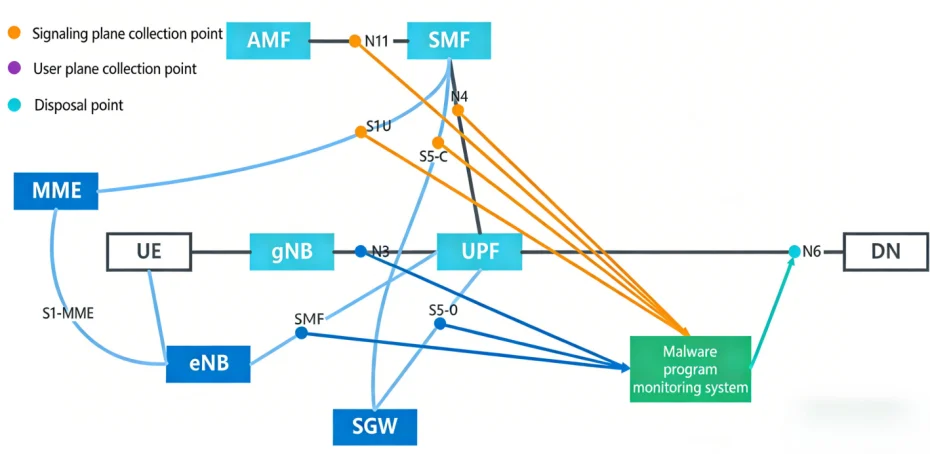
There is no security visibility without traffic visibility. DPI transforms the visibility security operators have into their network. Where basic traffic analysis provides source and destination IP addresses of flows, DPI gives operators the ability to identify and monitor specific applications, such as a WhatsApp call, a YouTube stream or a botnet sending instructions via an encrypted channel. Traditional monitoring only provides statistics such as number of bytes transferred, whereas DPI gives additional information about what type of data is being transferred, including whether the data has been encrypted. Advanced DPI utilizes traffic behavioral analysis, and machine learning to inspect encrypted flows, identifying threats without broadly compromising subscriber privacy. These security functions will help operators answer key questions: Which subscriber is talking to a known phishing domain? Are large volumes of sensitive data being transmitted at non-business hours? Is a command and control channel open on an encrypted channel? DPI offers answers that security operators within a telecom network may not have access to otherwise.
Spot Hidden Threats with DPI Technology
Many cyber threats use the method of hiding themselves among "benign" traffic. DPI is excellent at identifying hidden threats within network traffic. DNS tunneling, which involves hiding data within DNS traffic, appears as normal DNS queries and responses to a standard monitoring system, but a DPI system can inspect query volume, domain entropy, and the response data to detect this hidden threat. Command and control channels, which hide their activity among HTTPS traffic, can be identified by behavior such as routine connection requests and small packet sizes, which a DPI system could recognize. Long-term traffic patterns, such as slowly siphoning data off a network, are another type of threat which a DPI system can identify through abnormal traffic amounts over time. Advanced Persistent Threats (APTs) utilize all of these techniques effectively, but DPI gives security professionals an edge.
Simplify Daily Network Security Management
Security operations centers are plagued by hundreds of millions of alerts on a daily basis, most of which are low-priority. DPI simplifies security management by using traffic and behavior analysis to intelligently filter and prioritize alerts. By intelligently identifying what type of traffic is truly a security concern, operators can focus their resources where they are needed most. For example, a flow to a malware site would receive higher priority than a flow to a known security testing domain. DPI also supports automated responses to detected threats. When DPI identifies traffic consistent with a specific attack, it can automatically terminate the session, quarantine the subscriber, or escalate an alert. This reduces the amount of manual investigation required to deal with attacks.
Practical DPI Value for Telecom Operators
Deep packet inspection has broad value in several areas of telecom operations. The anti-fraud benefits are undeniable, helping operators identify SIM box fraud, for instance, and the value against phishing attacks is clear in blocking access to fake websites. The capabilities for DDoS traffic detection help operators distinguish genuine traffic from attack traffic, and compliance with lawful interception rules becomes much simpler with a DPI system that can provide the necessary packet captures. Network planning benefits from the intelligence gained about current threat trends, as well as emerging attack vectors. For all these applications, DPI provides actionable intelligence.
Tailored DPI Solutions for Telecom Scenarios
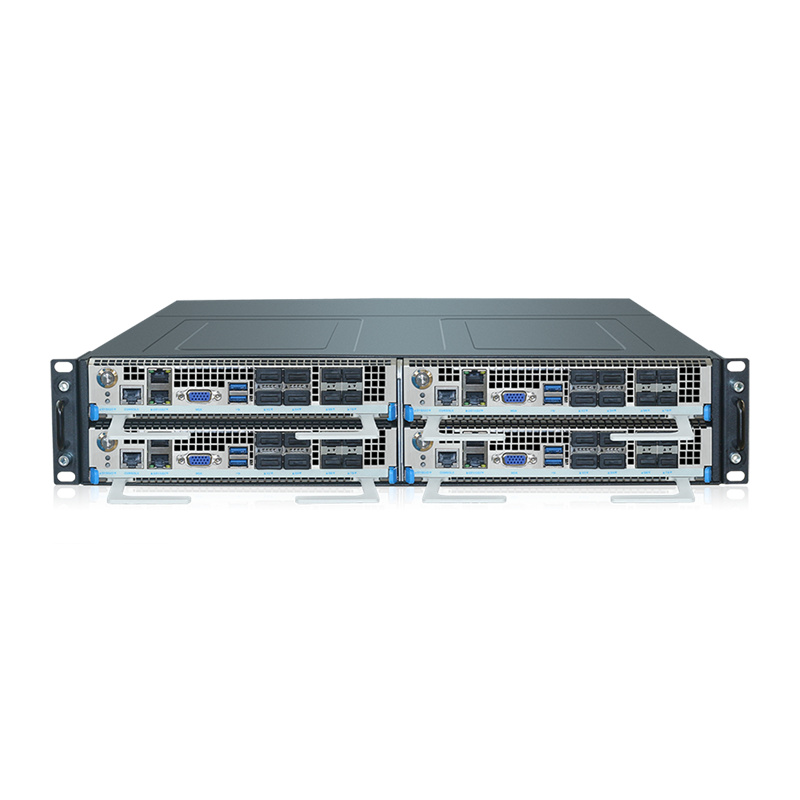
Sino-Telecom develops deep packet inspection solutions that meet the specific needs of telecom operators. These solutions are capable of handling line rates up to 100Gbps with minimal impact on network latency. They also provide access to an extensive and continually updated application signature library for recognizing current threats. The management interfaces can be customized with security dashboards, automated response policies, and SIEM integration for collecting security event data. These DPI solutions are offered in a variety of deployment configurations to suit operator needs.
Conclusion
Deep Packet Inspection transforms how telecom operators approach network protection. By providing an application-aware, security-centric inspection method, DPI exposes hidden threats, offers clear traffic visibility, and helps prevent phishing, fraud, and malware—while ensuring subscriber safety and regulatory compliance. Contact Sino-Telecom sales to arrange for a consultation or download datasheets describing the solutions.
Table of Contents
- The Growing Need for Telecom Network Security
- Core Functions of Deep Packet Inspection
- How DPI Improves Traffic Visibility
- Spot Hidden Threats with DPI Technology
- Simplify Daily Network Security Management
- Practical DPI Value for Telecom Operators
- Tailored DPI Solutions for Telecom Scenarios
- Conclusion