
 EN
EN
During AI-driven digital transformation, telecom operators are confronted with challenges in network visibility, security, and traffic management like never before. A Deep Packet Inspection (DPI) system is key to monitoring network behavior, optimizing bandwidth, and meeting regulatory requirements. However, integrating a DPI system into operators' networks without vendor lock-in is a complex task. Below is a practical guideline specifically for the operator environments.
Key Requirements of Operator Networks for DPI Systems
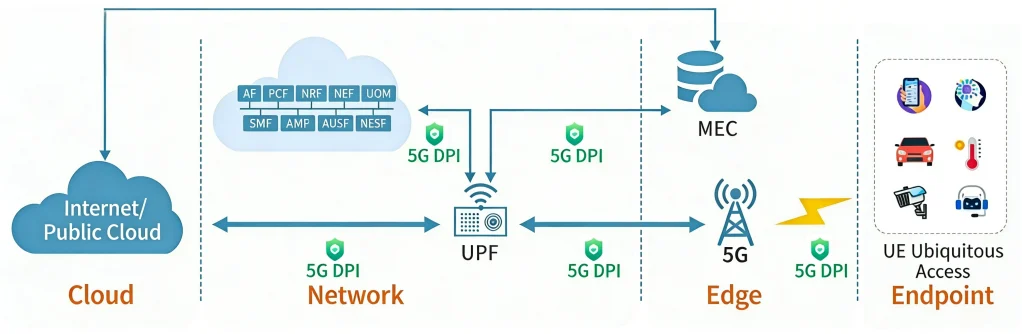
Operator networks impose certain requirements on DPI systems that enterprise or data center solutions typically cannot satisfy. Availability must be at the carrier-grade: five-nines as a mandatory minimum, redundant power, an inline solution must have bypass capabilities and hitless software upgrades must be supported. These DPI platforms support up to 1200 Gbps traffic processing per system, featuring native support for 400GE ports and their DPI signature files can process thousands of apps, and are constantly updated to support the latest apps and protocols. Thousands of applications must be supported, including legacy signaling protocols and modern encrypted web services. Some operators prefer to deploy at the core aggregation point, others at the regional hub, and some at the edge of the network. Above all else, many operators demand that the DPI system work seamlessly within the operators' existing infrastructure, without rip-and-replace of the infrastructure.
Simple Steps to Build Integrated DPI Systems
The first step is the access of traffic. An operator can tap existing optical links using an optical splitter or use switch port mirroring to send a copy of traffic to the DPI system without impacting operational services. The second step is to choose a DPI platform, which supports standard interfaces and protocols. The DPI system should accept the traffic through standard Ethernet ports using common optical transceivers. The third step is the deployment architecture. A non-intrusive, monitoring only, DPI system out-of-band receives a copy of the traffic and does not impact the network infrastructure, whereas an in-line solution can actively manage the traffic with a hardware bypass capability to ensure service continuous if the DPI box fails. The fourth step is the integration of management systems. A DPI system should export the relevant data and alerts to an already existing operator's network management system. Fifth step is to gradually increase capacity. Install DPI for a single link or a single point of ingress. Ensure everything is compatible, then expand it to the whole network or many points.
How to Ensure DPI System Compatibility with Operator Networks
A DPI system should integrate with the operators' infrastructure smoothly without altering the existing infrastructure's hardware. First, it relies on open hardware. The hardware should be based on industry standard server or appliance with common components. Second, the optical transceivers used are important. Since operator networks are often built with SFP, SFP+, QSFP and QSFP28 transceivers, the DPI system must be able to accommodate them. The DPI system must have a wide protocol coverage over all common encapsulations including but not limited to MPLS, VXLAN, GTP etc. For management systems, while traditional tools like syslog, IPFIX, NetFlow, and REST API are supported for enterprise network compatibility, telecom operators' big data platforms, billing systems, and signaling monitoring systems actually rely on xDR (e.g., CDR call records), Kafka message queues, and SDTP protocol for high-throughput daily traffic. Our DPI system natively supports SDTP, FTP/SFTP, Socket/Kafka, and xDR output templates to meet these carrier-grade requirements. Most crucially, DPI system must be decoupled, meaning it should not mandate any replacing to existing switching, routing or transmission boxes.
Decoupled Deployment: The Key to Cost-Effective Integration
Most expensive and risky DPI deployments often require operators to replace their existing network. A decoupled DPI system does not need that and can be installed beside the existing equipment. It does not matter whether operator uses Cisco or Juniper for switches, whether OTN or DWDM for optics, or whether using traditional NMS from telecom vendor or open source solutions for management systems. The decoupled DPI system accepts traffic from and exports traffic to a network infrastructure through standard interface. An operator can scale their DPI system by adding more DPI boxes or higher performance units without altering the existing network infrastructure. When it's time to refresh existing network equipment such as routers and switches, the DPI system will stay untouched. This greatly decreases the risk of network deployment and reduces installation cost and prior investments to existing infrastructure.
Cost-Saving Advantages of Integrated DPI Systems
As DPI systems do not need any equipment replacing for the operator's infrastructure, operators can cut down the expensive installation and replacement of existing switches, routers or optical transmission devices. Management costs can be reduced through simple and single management system: by exporting its data to an existing operator's NMS through certain standard protocols, a DPI system can be managed as any other equipment on the operator's network, without any further staff training or any duplicated work. Maintenance cost is lower as the system is based on common standards, for example standard optical transceivers can be taken from operator's spare inventory and can be maintained by existing technician personnel. Scale-up saving: operators can start small with a few high-priority links and increase system's capacity over time.
Sino-Telecom’s Integrated DPI Solution Advantages
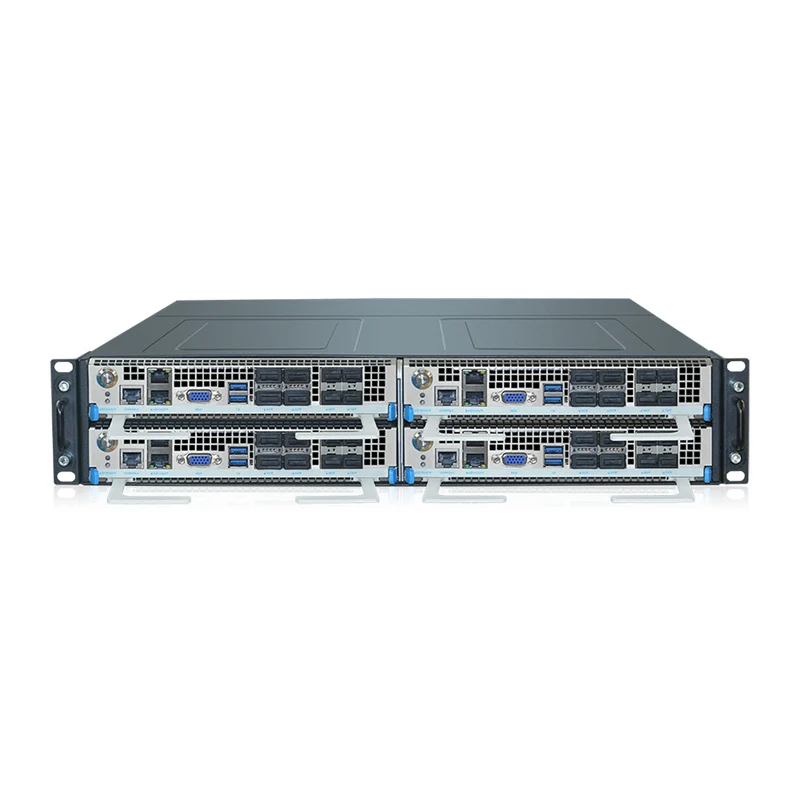
Sino-Telecom's DPI systems are built based on industry standard servers and common optical transceivers; they can be used in any operators' networks as add-on to any switch, router or optical transmission box without need for any changing of the operators' networks. For access of traffic, it can accept via optical tap, switch port mirror or inline solution with hardware bypass. Sino-Telecom's DPI can offer full protocol analysis over thousands of applications and can accept any operator network encapsulation, such as MPLS, VXLAN, GTP, etc. For its management data, it provides widely recognized standards of data exports such as syslog, IPFIX, NetFlow, and REST API for tight integration with existing operators' network management systems. Its open architecture means that operators can choose and manage their routing/switching/transport infrastructure with complete freedom. With 240+ patents, 150+ software copyrights and over 30 countries' operators in their installation lists such as France, Indonesia, Brazil, Australia, etc., Sino-Telecom's integrated DPI solutions have been fully tested and proved for compatibility with various operators' networks.
Conclusion
Sino-Telecom's DPI solutions will help you regain control over your network. With performance, open APIs, and localized manufacturing support, we deliver solutions you can rely on. Contact our sales department for your custom quote, product datasheets, or case studies. Visit our website and register for our live demo. We will show you the savings and value you can achieve with a decoupled approach. Let's build an open intelligent operator network together! Sino-Telecom – Your partner for decoupled DPI innovation.
Table of Contents
- Key Requirements of Operator Networks for DPI Systems
- Simple Steps to Build Integrated DPI Systems
- How to Ensure DPI System Compatibility with Operator Networks
- Decoupled Deployment: The Key to Cost-Effective Integration
- Cost-Saving Advantages of Integrated DPI Systems
- Sino-Telecom’s Integrated DPI Solution Advantages
- Conclusion