
 EN
EN
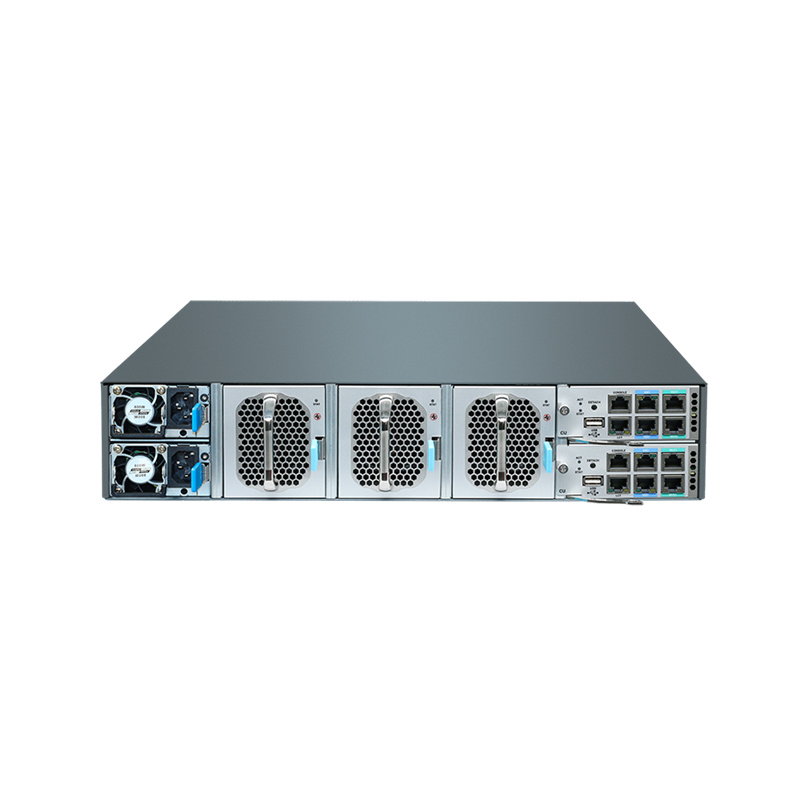
Traditionally DCI systems have only been an option for the biggest of the bunch – the Tier 1 carriers and the hyperscalers. Because it was assumed that only enormous scale networks would rely on connecting remote data centers in a highly reliable manner. The digital world looks a lot different today with an SMB ISP that has a series of points of presence (PoPs), is offering edge computing or is serving more performance hungry customers in an L4/L7 application stack. No longer, the question is just how does a SMB ISP effectively access DCI without adding major expense and hassle.
Why Smaller ISPs Need DCI Just as Much as Tier 1s
For SMB ISPs, the business problem of providing reliable bandwidth and redundancy is the same, it's just on a smaller scale. With several data centers or central offices, they must behave as a single coherent data center. Without DCI, you end up with siloed infrastructure, and this gives rise to bottlenecks and single points of failure.
This means DCI provides the fundamental functionalities an ISP with ambition needs in order to grow. It can be used to balance the load effectively, which means that if there is a surge in traffic in one area, it will not affect the quality of service. It is the basis for a solid disaster recovery and data replication solution, keeping your business and your customers from outages. Having a highly resilient and interconnected backbone with a cloud and managed service offering is a big advantage for SMBs in the competition with larger players.
Finding the Right Capacity Without Overpaying
The single biggest myth is that the purchase of massive underutilized capacity is required for deploying DCI. This is where intelligent design comes into play for an SMB ISP. The aim is to balance capacity with existing demand and have an architecture that scales.
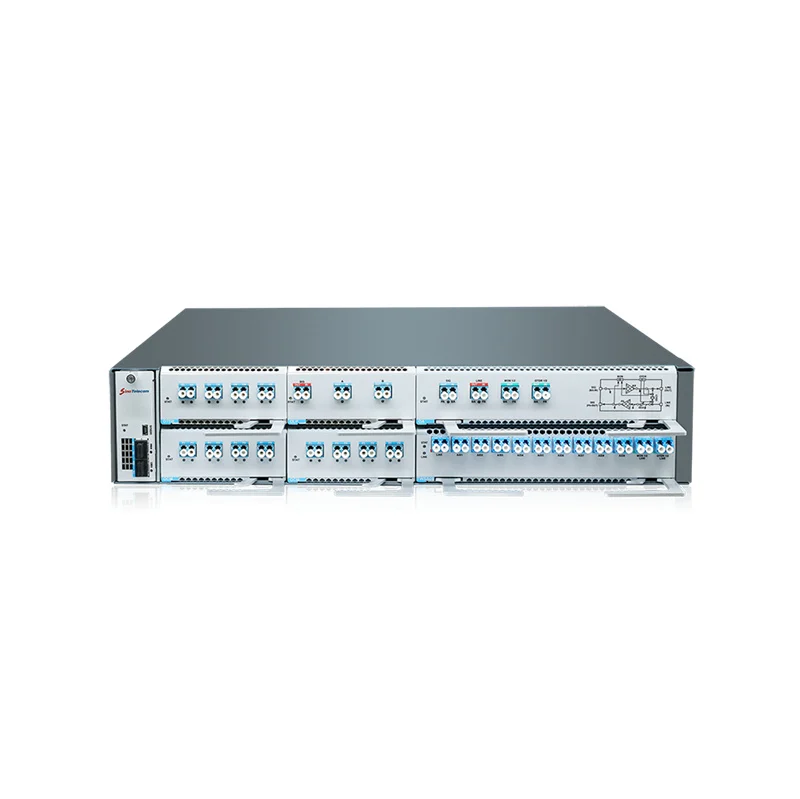
Modern DCI platforms provide a granular approach. With a 400G link, when only 100G is required, solutions can be scaled up or down as needed. A 1U DCI chassis supports a maximum transmission capacity of up to 6.4T, while a 2U chassis can accommodate up to 12.8T — though actual capacity depends on the service boards and optics deployed. As traffic increases, simply add more wavelengths, or upgrade to 400G or 800G optics, without replacing the chassis. This “pay-as-you-grow” approach ensures that capital costs remain closely aligned with revenue growth.
Keeping Operations Simple With Limited Teams
A 24x7 NOC is usually not feasible for SMB ISPs. All hardware deployed has to be manageable by a small team. Often the greatest solutions are the simplest, and a existing DWDM solution may need expertise that cannot be bought nor outsourced.
Today's DCI solutions focus on simplicity. These have a modular, small design and are easy to install and configure. Also, intelligent network management systems (NMS) are imperative. This is giving a complete sight of the whole DCI Topology with functionality to analyze OSNR, to isolate fault in automated manner and monitor performance. As OTDR and OLP functionalities available for use, the system enables the engineers gain an excellent sight of the network so as the fault can be identified without delay, without travelling for equipments on sites.
Deployment Scenarios That Actually Work for SMB ISPs
The theoretical advantages of DCI are apparent but the practical benefits are more important. A DCI solution is not simply a pipe between data centers, it's a solution that can enable an SMB ISP to tap into new revenue and mitigate business challenges.
One frequent situation is to connect several data center rooms in the same metro area to provide them with a high-availability footprint for colocation customers. This enables you to offer "Active-Active" services with sub-millisecond latency. Another possibility is to create a private, all-optical network for a local government or enterprise dedicated network using DCI. Instead of paying premium prices for high-bandwidth leased lines from the larger carriers, you can provide secured, high bandwidth and managed service with hard-pipe isolation with OTN technology. This is what sets you apart from your competition who can't guarantee anything like this.
Starting Small and Growing Without Forklift Upgrades
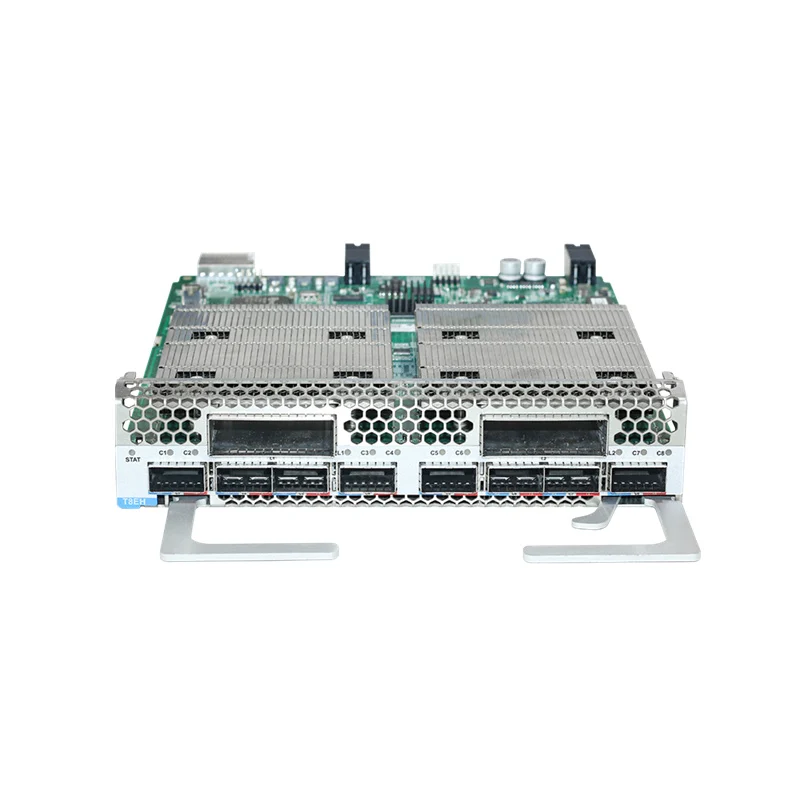
A big barrier for infrastructure investments, by the way, is obsolescence. I can’t very well as an SMB ISP afford to invest in a solution that's going to need replace in three years or with a "forklift upgrade." The DCI platform of Sino-Telecom is meant to change and grow. The hardware is designed to meet the demands of next generation speeds, based on open software architecture and supporting protocols such as OTN and SDN. This range of transceivers from 100G to 800G is supported on a 1U or 2U platform. With the technology advances, you just replace the pluggable optics on the line cards, greatly extending your chassis investment. This "pay as you grow" approach means your network grows with, not against, your business.
Conclusion
More than data center titans can make interconnected-your SMB ISP should take interconnection’s capacity to differentiate your services, achieve robust reliability and explore untapped revenue channels. As the leading vendor of the world’s most widespread DCI equipment, with 100,000+ equipment shipped to customers worldwide, Sino-Telecom has the rock-solid technology, immense depth and unwavering reliability your team needs to go in with total assurance. Our small, affordable and simple to administer DCI devices put you firmly in the pilot’s seat; and we provide you with the right, carrier-grade, back end so you can execute the precise plan your vision calls for-without any unnecessary cost or expense of the corporate-grade approach. So, how does our DCI offer help you to create more value within your ISP? Let Sino-Telecom show you. Contact us today for the data you need and your personalized estimate, plus details on many like success stories from ISPs.