
 EN
EN
What ISPs are faced with is servicing the best of the best for each particular user, and the problem of allocating the available resources in their network. Meeting network requirements – especially when congestion happens because of burst traffic flows or traffic intensive applications – requires more advanced traffic management capabilities. The article discusses how ISP deep packet inspection gives levels of visibility which make it possible to precisely and finely control the network.
What Is ISP Deep Packet Inspection
Unlike the traditional traffic analysis tools, deep packet inspection by ISP can offer more information. DPI can analyze the data inside a packet based on data carried by the payload, for example as it passes through the ISP network, while the standard tools only analyze the packet "headers" (source, destination, ports, protocol types). This can mean they are actually pinpointing on an ISP just what kind of application is making use of bandwidth. Even if the data is encrypted, or the port used is the same as standard YouTube, Netflix movie, voice call, VoIP, software update or file download, DPI can automatically determine the type of content a video stream is, and whether or not it is malware. DPI can be used to monitor all application level traffic. An ISP can determine the kinds of material the subscribers may be accessing and how they are utilizing it. Standard analysis only offers the overall volume and protocols that are being used and doesn't enable application level policy enforcement.
How ISP Traffic Management Benefits from DPI
DPI has several applications for the traffic management. Controlling congestion is the first benefit. If network traffic is at its peak, the ISP can use DPI to determine the real-life applications that are contributing to the most network congestion – say, high resolution streaming services – and rate-limit the service, or prioritize more critical services like VoIP calls. This ensures that the quality of service (QoS) is maintained for the services that are needed for its use, and does not completely deny access to the congesting service. Another thing that is done with the help of DPI is bandwidth planning. It enables the ISP to measure the application trends and make intelligent decisions with regard to capacity planning. For example, as the number of videos starts to grow, so does the ISP's capacity or increase. Clear policies are in place which outline clearly what constitutes fair use of DPI. The DPI tracks the activities of each subscriber and allows the ISP to offer different packages, depending on the subscribers' activities. For example, they can sense the bandwidth-consuming subscriber sharing file, and punish him/her, but provide the quality-of-service to the subscriber who is browsing or streaming videos.

Key Advantages of ISP DPI for Traffic Control
DPI is not only seeing sharing of Web or file, but thousands of applications. That will give more control of the streaming services; the possibility to treat them separately. For any time when the business is active, enterprise traffic could be prioritized over the gaming traffic or a very fine grain block of peer to peer traffic. This allows an ISP to have intelligent and dynamic traffic controls.
Simple Ways to Implement DPI for ISPs
Depending on real-time traffic conditions, DPI devices are placed in the data path so they can be able to implement traffic management policy in real-time. In a naturally congested network, DPI can dynamically re-prioritize as needed at a millisecond level ensuring that critical real time traffic is not affected, and ensuring it doesn't negatively affect the end user's quality of experience. Subscriber-aware policy enables DPI to create granular policies for various groups of subscribers using the same application; this may be for subscribers from residential or corporate customers. It keeps track of traffic management policy compliance, and can be audited to measure the effectiveness and value of the strategy.
How DPI Helps Precise Traffic Management
To be able to manage the traffic accurately, the traffic problem must be identified accurately. What could be causing the uplink to be congested during peak periods? What is causing one subscriber to use a considerable amount of bandwidth downloading files while the other subscribers are okay? If there is a traffic surge would it be due to a Denial of Service attack, a software update or a normal increase in the use of streaming video? DPI can answer all these questions in a flash, allowing for fine grain prioritization: Voice calls get a guaranteed bandwidth, web browsing gets best-effort bandwidth and bulk file transfers get to use up what remains to be in the last half of the hour when the network is not busy. The rules used by the ISP for the quality of service are more user oriented. The residential customer will have a requirement for better video quality and fast Web-browsing, and will probably accept a slower download during peak hours, as long as the speed is acceptable for the video. The information DPI provides is used to justify traffic management as per network neutrality policies.

Practical DPI Implementation for ISP Traffic Management
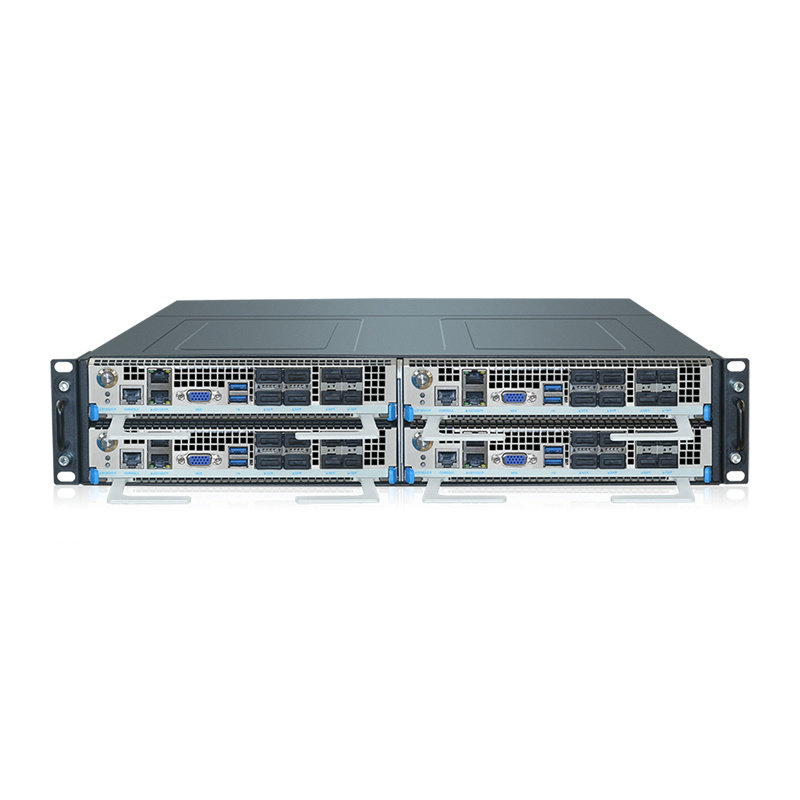
These DPI platforms support up to 1200 Gbps traffic processing per system, featuring native support for 400GE ports and their DPI signature files can process thousands of apps, and are constantly updated to support the latest apps and protocols. Rate limiting, prioritization and blocking of content on different levels is included in the traffic management policies. It can be controlled based on the policy of the subscriber, application or network congestion, and can be managed via a user friendly graphical interface for network management and analysis of the real time management statistics.
Conclusion
Deep packet inspection by ISP is more than just monitoring! It provides an easy and intuitive management of all traffic, forecasting of required resources, optimization of their utilization and application level control of network behavior by the network operator. This not only allows the ISP to save money, but subscribers will also enjoy a better experience.